An editorial read from the Channel archive, kept in the relaunch for its coverage of engineering.
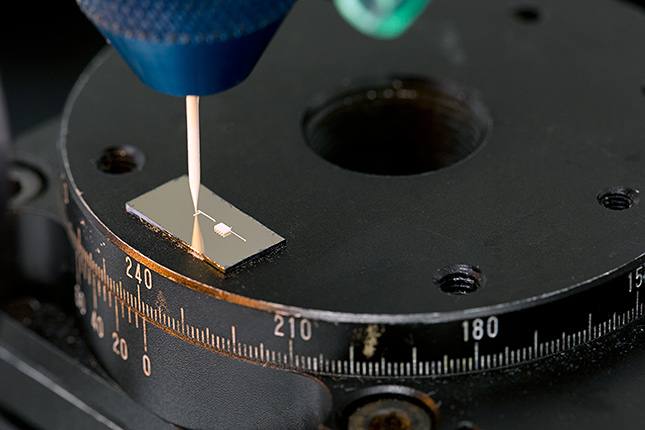
If you read posts from this site enough, you may have already picked up why 3D printing is developing into such an important technology. ANYTHING can be custom fit for anybody. Glasses, cellphone cases, hearing aides, and the list goes on. Only recently has the material technology emerged to fully print an electronic with integrated components. Before, it was possible to print the perfect fitting hearing aide, but the user had to deal with a battery that was not perhaps the perfect fit for such a small component. Batteries are usually defined by their energy density. Lithium-ion batteries are among the top of their class. They have been improving constantly with the gradual introduction of nanotechnology. Basically the less space between the anode and cathode of the battery allow a larger capacity of energy storage per volume. L: A micrograph shows a printed battery one millimeter square. R: An array of anodes, each about one millimeter square. The value of custom fit batteries is of incredible importance for the future of smaller and smaller electronics. That bulky battery of your laptop can be printed to a sheet. No more 'hot spots' on your cellphone or computer. Empty space would decrease dramatically. Printing on demand electronic equipment could also replace a full tool set. Its not a far off thought to imagine a tool printed on the spot with fully integrated electronic components. Once the material can be effectively re-used, you have a portable full tool-set in a fraction of the space.